
The allure of casino environments
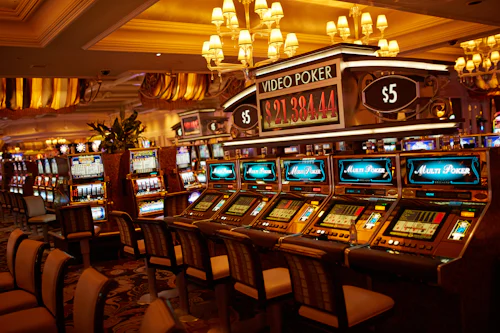
The design and ambiance of casinos create an enticing atmosphere that heightens excitement and engagement. Bright lights, vibrant colors, and enticing sounds work together to stimulate the senses and draw individuals in. The architecture is often grand and elaborate, contributing to a sense of euphoria that encourages players to immerse themselves in the experience. For those looking to enjoy their favorite games, an excellent choice is an online casino that provides a similar sensory overload, meticulously crafted to create an unforgettable environment where time seems to dissolve, making it easier for visitors to lose track of their gameplay duration.
Add to this the strategic layout of games that keeps players circulating throughout the casino floor. Slot machines are typically positioned near the entrance and in high-traffic areas, enticing potential players with their flashing lights and sounds. The placement of games encourages players to remain engaged for longer periods, reinforcing the loop of excitement and anticipation. This careful orchestration of the environment is designed to captivate newcomers and seasoned gamblers alike, ensuring that they remain in the casino space for as long as possible.
Moreover, casinos often include amenities such as bars, restaurants, and entertainment options that further attract visitors. These facilities provide an opportunity for social engagement, enhancing the appeal of the gambling experience. The allure of community and shared experiences in a lively environment leads individuals to not only gamble but also to socialize and celebrate victories, however small. This combination of factors plays a pivotal role in the ongoing allure of casino environments, constantly pulling people back for more.
The role of risk and reward
The psychology of risk and reward is central to the gambling experience. Players are often drawn to the potential for significant financial gain, but the inherent risks involved create an adrenaline rush that is hard to replicate in everyday life. The thrill of the unknown, coupled with the possibility of winning large sums of money, triggers a powerful psychological reaction. This interplay between risk and reward activates the brain’s reward system, releasing dopamine—a neurotransmitter associated with pleasure—making the experience feel even more exhilarating.
Additionally, the perception of control plays a significant role in how individuals approach gambling. Many players believe that they can influence the outcome of their bets through strategy or skill, giving them a sense of empowerment. This false sense of control can lead to increased gambling behaviors as players often feel motivated to continue playing, convinced that their next decision will lead to success. This mindset reinforces the cycle of risk-taking, as players are often willing to place larger bets in hopes of achieving a substantial reward.
However, it is essential to acknowledge the potential downsides of this dynamic. The thrill of risk can lead to addiction and harmful behaviors, as individuals may chase losses in a misguided attempt to recover their money. The initial excitement can quickly turn into frustration and despair when players do not achieve their desired outcome. Understanding this delicate balance of risk and reward is crucial in addressing the psychological complexities of gambling and its impact on individuals and society.
Emotional triggers and decision-making
The emotional landscape of casino gambling is incredibly complex, as various feelings can influence decision-making processes. Joy and excitement typically accompany wins, while losses may elicit feelings of frustration or disappointment. As players navigate these emotional highs and lows, they often make decisions based on their current emotional state rather than rational thought. This phenomenon can lead to impulsive betting behaviors, where players stake more money in a bid to recapture previous losses or ride a winning streak.
Moreover, emotions such as stress and anxiety can weaken a player’s ability to make sound decisions. During times of distress, individuals may resort to gambling as a coping mechanism, seeking the thrill of a potential win to alleviate their emotional pain. Unfortunately, this behavior can perpetuate a cycle of emotional dependency on gambling, leading to detrimental financial and personal consequences. Awareness of this emotional aspect is vital for both players and those seeking to help individuals struggling with gambling addiction.
Further complicating this issue is the phenomenon of near-misses. When players experience a loss that feels close to a win, it can trigger feelings of excitement and encourage continued play. For instance, hitting two out of three symbols on a slot machine can create an exhilarating sense of possibility, prompting players to believe that they are “due” for a win. This cognitive bias can distort players’ perceptions of their chances, leading them to ignore the reality of the odds and continue gambling despite negative outcomes.
The impact of social influences
Social influences play a significant role in shaping a person’s approach to gambling. The impact of friends, family, and even cultural attitudes can either encourage or deter gambling behaviors. In some cultures, gambling is viewed as a form of entertainment and social bonding, fostering an environment where individuals feel more inclined to participate. On the other hand, in societies where gambling is stigmatized, individuals may develop a sense of shame or guilt associated with their gambling habits.

Furthermore, peer pressure can have a considerable effect on gambling decisions. Friends who enjoy gambling may urge others to join in, creating a social norm that legitimizes and encourages participation. This can lead individuals to gamble beyond their means or engage in high-stakes games, not wanting to be seen as disengaged or unadventurous. The desire to fit in and gain approval from peers can significantly cloud judgment and lead to irrational decision-making.
However, there is also a growing movement towards responsible gambling, emphasizing the importance of making informed choices. Educational programs and support groups aim to provide players with the tools needed to understand the risks and consequences of gambling. By promoting a healthier approach to gambling, individuals can better navigate social influences without succumbing to the pressures that may lead to excessive or harmful behaviors.
Understanding responsible gambling and support systems
As awareness surrounding the psychological aspects of gambling continues to grow, the conversation around responsible gambling has become increasingly important. Organizations and casinos are now focusing on promoting safe gambling practices to minimize the risks associated with excessive play. This includes implementing measures such as setting time limits, financial caps, and providing resources for those seeking help. By addressing the psychological triggers that lead to unhealthy behaviors, these initiatives aim to create a more sustainable gambling environment.
Support systems are critical in aiding those who may struggle with gambling addiction. Various resources, including counseling services, support groups, and helplines, offer individuals the assistance they need to overcome their challenges. These systems emphasize the importance of open dialogue and understanding, creating a safe space for individuals to share their experiences without judgment. Encouraging discussions about gambling-related issues can help reduce stigma and foster a culture of support.
Moreover, casinos themselves are increasingly taking on the responsibility of promoting responsible gambling. Many establishments have begun training staff to recognize the signs of problematic gambling behavior and offer appropriate assistance. This proactive approach not only helps individuals receive the support they need but also contributes to a more positive casino environment. By fostering awareness around responsible gambling, both players and institutions can work together to ensure a safer, healthier gambling landscape that prioritizes well-being and informed decision-making.
