
The fascinating evolution of gambling through the ages
The Ancient Beginnings of Gambling
The origins of gambling can be traced back thousands of years, with evidence dating as far as 3000 BC in ancient China. The earliest forms of gambling involved simple games of chance, where people would wager on the outcome of dice throws or rudimentary games. These early practices were often tied to cultural rituals and were believed to please deities, serving as both entertainment and a spiritual activity. Archaeological findings reveal that gambling was not just for entertainment but also had significant social implications. In modern times, many players prefer platforms such as playid login to facilitate their gaming experiences.
In ancient Greece and Rome, gambling evolved into a more organized activity with established rules and betting systems. The Greeks played games like knucklebones and betting on athletic events, while Romans were known for betting on gladiatorial contests and chariot races. These activities highlighted how gambling became intertwined with social gatherings, reflecting the cultural values and competitive spirit of the times. The legality and regulation of gambling varied significantly, with some rulers promoting it while others sought to suppress it, indicating the complex relationship societies had with wagering.
By the Middle Ages, gambling had firmly embedded itself in European culture. The introduction of playing cards in the 14th century marked a significant advancement in gambling, leading to the development of various card games that remain popular today. It was during this period that gambling began to be commercialized, laying the groundwork for the modern casinos we recognize today. This transition showcased a shift from informal betting among friends to structured betting environments, setting a precedent for the evolving gambling landscape.
The Rise of Modern Gambling
The 18th and 19th centuries saw a significant transformation in gambling practices, particularly with the establishment of the first official casinos. The Casino di Venezia in Italy, founded in 1638, is considered the oldest casino still in operation. The allure of luxurious gaming rooms and high stakes attracted a wealthy clientele, leading to the expansion of gambling into a more sophisticated social activity. This era marked a turning point, as gambling began to be viewed not just as a vice, but also as a glamorous pastime.
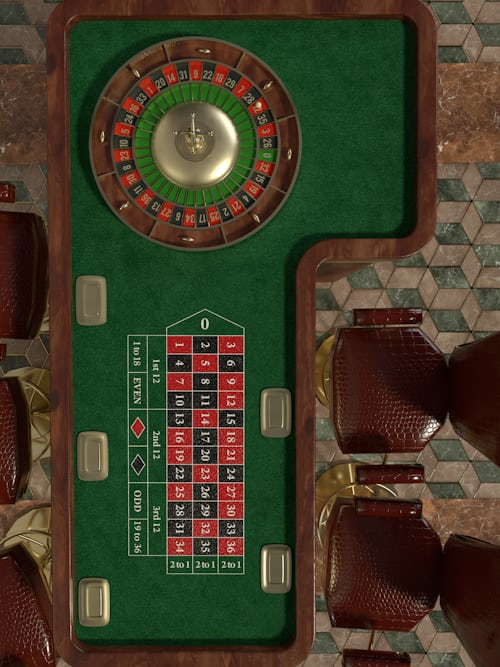
The invention of the roulette wheel and the popularity of poker during this period further fueled the growth of gambling. In the United States, the Gold Rush era led to a surge in gambling establishments, particularly in burgeoning cities like San Francisco. The establishment of gaming laws and regulations began to take shape, reflecting society’s attempt to control and benefit from gambling activities. This regulatory framework laid the foundation for today’s complex legal landscape surrounding gambling operations.
The 20th century brought about technological advancements that revolutionized gambling. The introduction of slot machines transformed the casino experience, making gambling accessible to a wider audience. Additionally, the rise of online gambling in the late 1990s opened a new frontier, allowing players to engage in their favorite games from the comfort of their homes. This digital shift has had profound implications, leading to a boom in the industry that continues to evolve with new technologies and platforms.
The Impact of Technology on Gambling
As technology progressed, the gambling industry experienced unprecedented change, particularly with the advent of the internet. Online casinos emerged, providing a vast array of games and betting options that were previously unavailable to most players. This digital revolution enabled gamblers to access their favorite games anytime and anywhere, making gambling more convenient than ever before. Furthermore, innovations such as mobile gaming apps have further expanded the reach of online casinos, allowing users to play on the go.
The introduction of live dealer games combines the excitement of traditional casinos with the convenience of online play. Players can interact with real dealers via video streaming, enhancing the overall gaming experience. Virtual reality technology is now being explored, offering immersive environments that replicate the feel of being in a physical casino. This convergence of technology and gambling is reshaping how players engage with games, providing endless possibilities for the future.
Security and payment methods have also evolved significantly, ensuring safer transactions for players. E-wallets and cryptocurrency have become popular payment options, catering to the demand for anonymity and quick transfers. This evolution not only enhances the user experience but also reflects the changing attitudes toward gambling in the digital age. Players are now more informed and have greater choices, leading to a more competitive marketplace.
The Cultural Perspectives on Gambling
Throughout history, gambling has garnered a mix of admiration and disdain from various cultures. In some societies, gambling is celebrated as a means of entertainment and socialization, while in others, it is seen as a moral failing. For example, in many Asian cultures, games of chance, like Mahjong and Sic Bo, are integral to family gatherings and celebrations, often fostering a sense of community and connection. Conversely, in some Western societies, gambling has faced significant opposition from religious groups, leading to strict regulations and social stigmas.
Modern attitudes toward gambling are slowly changing, particularly with the rise of responsible gambling campaigns. Governments and organizations are now focusing on educating players about the risks and promoting healthy gambling habits. This shift reflects a growing recognition of gambling as a legitimate form of entertainment that can be enjoyed responsibly. Countries are beginning to adapt their laws and regulations to better balance economic benefits with the need for consumer protection.
Additionally, the representation of gambling in popular media has influenced public perception. Movies and television shows often romanticize gambling, showcasing high-stakes games and the glamorous lifestyles of professional gamblers. These portrayals can enhance the allure of gambling, attracting new players while also perpetuating stereotypes. Understanding these cultural nuances is essential for grasping the complex relationship societies have with gambling throughout history.

PlayID: The Future of Gambling Transactions
As the landscape of gambling continues to evolve, platforms like PlayID Canada are redefining how players engage with online gaming. PlayID is a specialized e-wallet designed specifically for the online gaming sector, facilitating seamless financial transactions for players. By offering a secure and efficient method to move Canadian dollars in and out of gaming platforms, PlayID is addressing some of the most pressing challenges faced by online gamblers, such as long withdrawal wait times. Many users seek out the convenient playid login process to streamline their transactions.
One of the standout features of PlayID is its ability to mask transactions, allowing users to bypass traditional banking restrictions and ensure complete privacy. This is particularly important in a world where data security is paramount. Furthermore, players can benefit from financial incentives, such as earning up to 10% APR on stored funds through PlayID’s Vault feature. This innovative approach transforms PlayID from merely a payment solution into a valuable financial tool for Canadian players.
As gambling continues to evolve with advancements in technology and changing consumer preferences, platforms like PlayID are at the forefront of this transformation. By enhancing the user experience and promoting secure transactions, PlayID not only caters to the demands of modern gamblers but also shapes the future of the gambling industry. Embracing these changes will be crucial for both players and operators as they navigate the complexities of this ever-evolving landscape.
